
Quick Answer: Outdoor electrical components in St. Petersburg homes need to withstand humidity, salt air, heavy rain, and intense sun, which is why they are built differently than standard indoor wiring and outlets. Weatherproof covers, corrosion resistant materials, and proper grounding all play a role, and having these components inspected periodically helps catch wear before it becomes a hazard.
Living near the water in St. Petersburg comes with a tradeoff most homeowners do not think about until something goes wrong: outdoor electrical components take a beating that inland homes simply do not experience. Salt air, near constant humidity, and Florida’s intense sun all accelerate wear on outdoor outlets, fixtures, and wiring, which is why these components are built to a different standard than what you would find inside your walls.
What Makes Outdoor Electrical Different
Indoor wiring and outlets are protected from the elements by the structure of the home itself. Outdoor electrical components have no such protection, so they are engineered with materials and designs specifically meant to handle moisture intrusion, temperature swings, and in coastal areas like St. Petersburg, salt exposure that can corrode metal components faster than in most parts of the country.
Key Components and What They Do
- GFCI outlets, which cut power instantly if they detect a ground fault, a critical safety feature for any outlet exposed to moisture
- Weatherproof “in-use” covers, which keep outlets protected from rain even while something is plugged in, unlike older flip style covers that only work when the outlet is empty
- Corrosion resistant panel components, which matter more in coastal areas where salt air can degrade standard metal hardware faster
- Bonded grounding rods, which provide a safe path for electrical faults to dissipate into the earth rather than through your home’s systems
- Sealed conduit fittings, which prevent water intrusion into the wiring itself as it runs from the house to outdoor fixtures
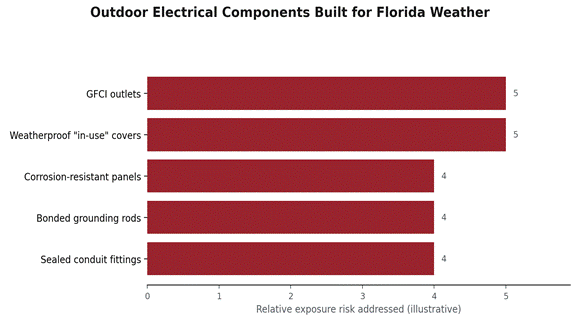
Figure 1: Outdoor electrical components and the general exposure risks they are designed to address. Illustrative, not a ranked engineering study.
Why St. Petersburg Homes Need Extra Attention
The combination of coastal humidity and salt air puts outdoor electrical components in St. Petersburg through more wear than the same components would experience in a landlocked city. Homeowners near the waterfront, including those with docks, pool equipment, or outdoor kitchens, tend to see corrosion and wear on outdoor electrical hardware sooner than homeowners further inland, which is one reason periodic inspection matters more here than in many other markets.
Signs Outdoor Electrical Components Need Attention
| What You Notice | What It May Indicate |
| Outlet cover cracked or no longer closing fully | Weatherproofing has failed and moisture intrusion risk is rising |
| Visible rust or corrosion on outdoor panel or box | Salt air exposure degrading hardware, worth a professional look |
| GFCI outlet will not reset | Possible internal fault or moisture damage requiring replacement |
| Flickering outdoor or dock lighting | Loose connection or wiring issue that should be inspected promptly |
Dock and Waterfront Electrical Considerations
For homeowners with dock power, boat lifts, or waterfront electrical equipment, the standards go even further. These systems require specific grounding and bonding configurations designed for the unique risks of a marine environment, and they should be inspected on a regular basis given the constant exposure to water and salt. This is a good example of where electrical services in St. Petersburg differ meaningfully from a typical inland electrical job, since the environment itself changes what proper installation and maintenance look like.
Pool and Outdoor Kitchen Equipment
Pool pumps, heaters, and outdoor kitchen equipment add another layer of consideration for St. Petersburg homeowners. These installations typically require dedicated circuits with proper GFCI protection, and the equipment itself is often positioned in locations with near constant moisture exposure, whether from pool splash, sprinkler overspray, or simple humidity. Over time, this environment can accelerate wear on wiring insulation and connection points in ways that are not always visible without a proper inspection.
Outdoor kitchens present a similar challenge, since they often combine electrical outlets with nearby water sources, grills, and other appliances in a single compact area. Proper spacing, weatherproofing, and circuit protection all matter more in this kind of setup than they would for a typical indoor kitchen, which is one reason these installations benefit from being planned and installed by an electrician familiar with outdoor and coastal specific code requirements rather than treated as a simple extension of indoor wiring.
Seasonal Considerations Around Storm Season
St. Petersburg’s storm season adds another dimension to outdoor electrical planning. Heavy rain, wind driven debris, and occasional power surges during storms all put additional stress on outdoor electrical components. A pre season check of outdoor outlets, panel connections, and grounding systems is a reasonable step for homeowners who want to reduce the chances of storm related electrical issues, and it is often much easier to address a small weatherproofing issue before a storm than to deal with water intrusion damage afterward.
Frequently Asked Questions
How often should outdoor electrical components be inspected?
A general visual check periodically, especially after storm season, is a good habit. A full professional inspection is worthwhile if you notice any visible wear, corrosion, or a GFCI outlet that will not reset.
Are all outdoor outlets required to be GFCI protected?
Current electrical code requires GFCI protection for outdoor outlets in residential construction, though homes built before these requirements were adopted may still have older, non-GFCI outlets that are worth upgrading.
Does salt air really make that much of a difference?
Yes. Homes closer to the water consistently show faster corrosion on unprotected metal electrical components compared to homes further inland, which is why coastal specific materials matter.
Can I install outdoor outlets myself?
Outdoor electrical work involves grounding, weatherproofing, and code requirements that are easy to get wrong without training. Given the safety stakes involved with water and electricity, this is one area where professional installation is strongly recommended.
Learn more about what we offer on our Electrical Services page, or read more local guides on our HVAC and electrical tips page.
Ready to Get This Checked in Your Home?
Momentum AC & Electric has served St. Petersburg area homeowners with licensed, background checked technicians who explain what they find in plain language before any work begins. If you are noticing any of the issues covered in this article, our team can take a look and give you a straightforward assessment.
Call (877) 848-4822 or contact us online to schedule a visit.